What it means for a photograph to hold at scale
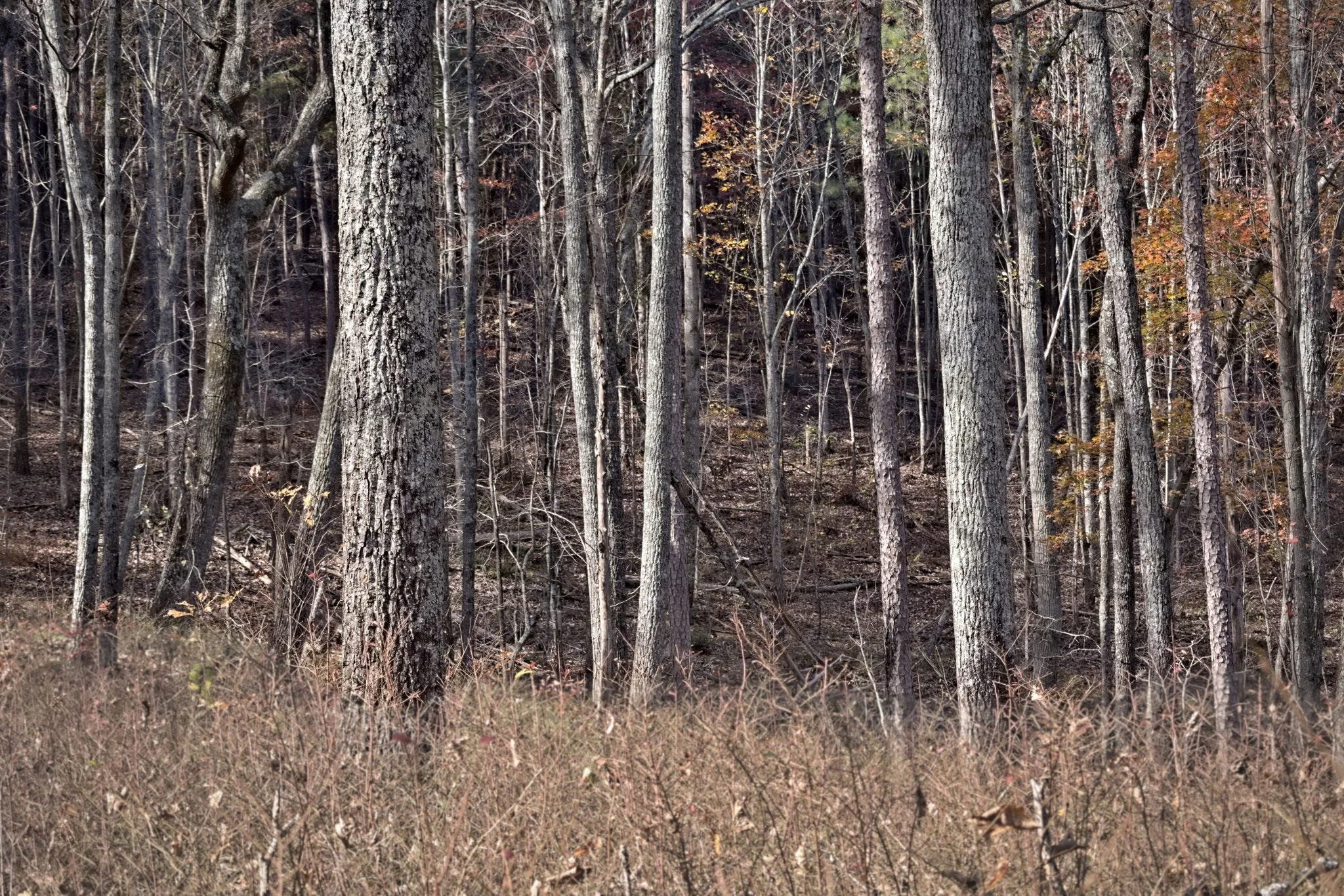
I thought a strong photograph was one that felt immediate.
Something that worked on a phone screen. Something that caught attention in a scroll. Something that looked finished when reduced to a small, glowing rectangle in the hand.
It took me longer than I expected to realize that some images don’t change much when they get larger.
Others do.
I don’t mean sharpness. I don’t mean resolution. I mean what happens when the photograph moves from being glanced at to being lived with.
A small image asks for seconds. A large print asks for space.
When I see one of my photographs printed bigger than I’m used to, I notice what rises to the surface. Sometimes it’s structure. The way a stream bends through a frame. The way light rests on bark or moss. The way the darker areas feel grounded instead of empty.
Other times, something else rises instead.
Distraction. An imbalance I didn’t notice before. A tension that felt dynamic at small scale but feels restless when given room. A foreground that doesn’t actually deserve the emphasis enlargement gives it.
Scale is unforgiving. It doesn’t add meaning. It reveals whether meaning was there.
I’ve started paying attention to what changes as size changes. Some forest interiors become quieter as they grow. The detail doesn’t overwhelm; it settles. The textures begin to feel inhabitable instead of decorative. The photograph stops performing and starts existing.
Others become louder in a way I didn’t intend. Every twig insists on being seen. Every contrast decision becomes declarative.
When a photograph “holds at scale,” the experience doesn’t fracture as it grows. The structure remains coherent. The weight feels distributed. The eye can move without being pushed.
There’s a steadiness to it. Not that it becomes more impressive, it becomes more “believable.”
I don’t always know which photographs will hold until I see them larger. On a screen, many things look convincing. On a wall, the photograph has to carry time. It has to withstand being walked past and returned to. It has to remain intact when it isn’t the only thing in view.
Scale exposes exaggeration and honesty.
I’ve noticed that the images that hold tend to have fewer claims. They don’t rely on a dramatic gesture or a single bright accent. They seem built from relationships rather than moments. When enlarged, those relationships don’t thin out, they deepen.
I’m not sure this is something you can engineer directly. It feels more like something you notice after the fact. A photograph either continues to breathe when given space, or it tightens.
Lately, when I edit, I try to imagine the image on a wall instead of on a feed.
Not in a marketing sense. Just physically. Large enough that the darker parts matter. Large enough that the negative space has weight. Large enough that a person could stand in front of it without needing to step back to understand it.
Some photographs ask to be glanced at.
Some ask to be lived with.
The difference, for me, is what I mean when I say an image holds at scale
Click here for the specific print details of the art shown in this writing.
