How I decide which images I’m willing to stand behind
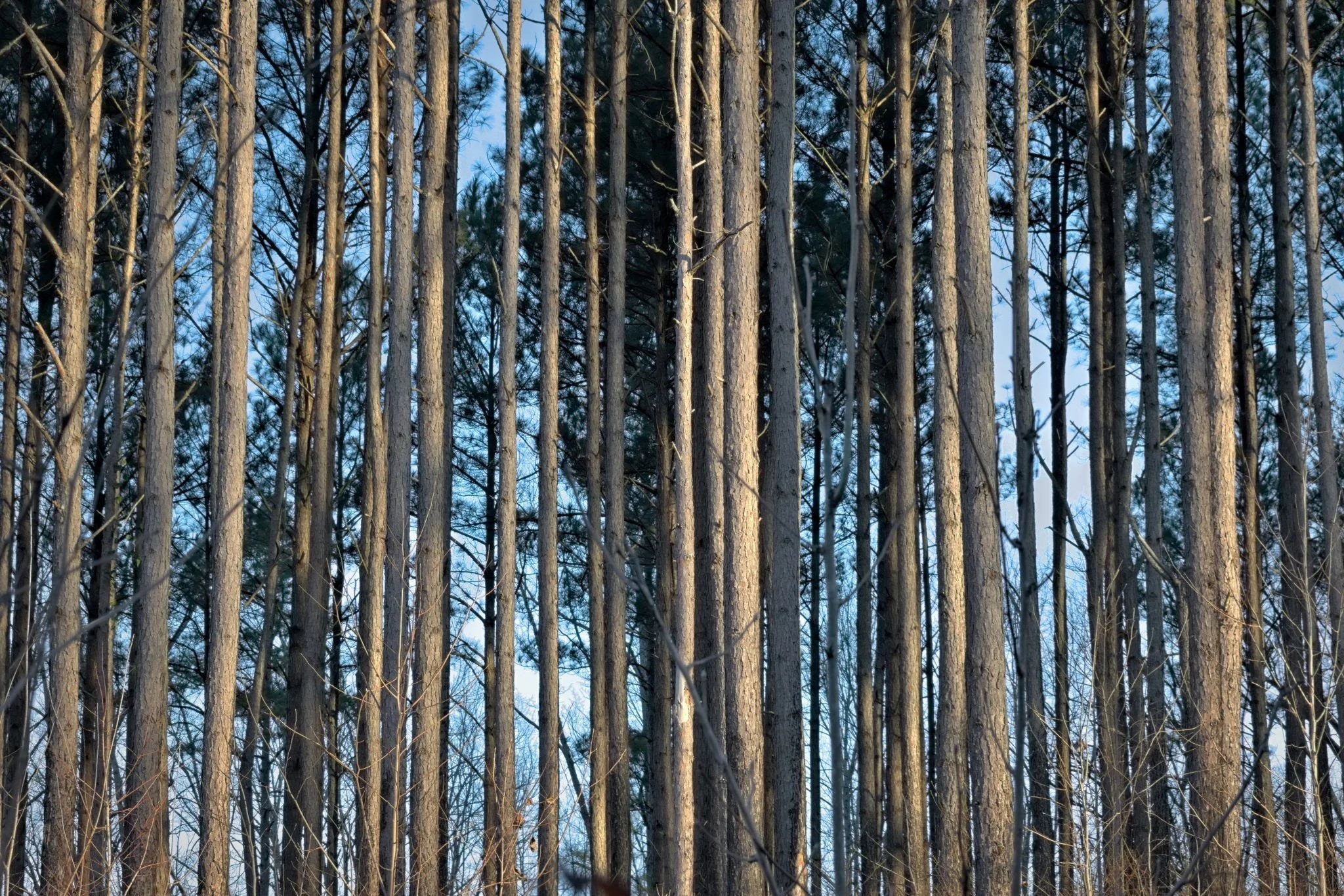
Standing behind images used to be about are they sharp enough, balanced enough, clean enough. If the file met a technical threshold and survived editing without falling apart, that felt like justification to show it.
That isn’t how it works for me anymore.
Now the question is simpler and harder: am I willing to stand behind this image when the excitement is gone?
The day a photograph is made, it carries momentum. The light was good. The walk was quiet. The moment felt like something. That emotional residue can prop an image up for weeks. Sometimes months.
But eventually the mood drains out of it. What remains is the structure.
When I revisit an image after time has passed, I’m not looking for how it makes me feel. I’m looking for whether it still holds without the memory of being there. If the arrangement of forms, tones, and depth can stand on their own, the image starts to feel less like an experience and more like an object.
That shift matters.
An experience belongs to me but an object has to belong to itself.
Standing behind an image means I’m willing to let it exist without explanation. The photograph has to do its own work.
Most don’t.
That isn’t a criticism It’s just a sorting process.
Some images rely on novelty. A bright patch of color. A dramatic gesture. An unusual angle. They feel compelling at first glance. But when I live with them for a while, I start to see that the pull was surface-level. Once I’ve understood the trick, there’s nowhere else to go.
The images I’m willing to stand behind behave differently. They don’t announce themselves. They don’t demand to be impressive. They tend to be quieter. More restrained. The structure is doing most of the work, even if it isn’t obvious.
Often that structure comes from small decisions: where a line enters the frame, how a darker mass balances a lighter one, whether the foreground is anchoring or just filling space. If those relationships feel stable, the image can survive repetition. I can look at it again and not feel embarrassed by it.
Embarrassment is a useful signal.
If I hesitate to show something a month later, that hesitation usually isn’t about what other people will think. It’s about knowing, privately, that the image was carried by circumstance rather than construction.
So I wait.
Time is part of the decision process now. An image sits. I return to it after the memory fades. If it still feels complete, if nothing inside the frame is asking to be excused or defended, then I’m more comfortable attaching my name to it.
This doesn’t mean the image is perfect, it means it’s coherent.
Coherence is what I’m standing behind.
If one of my photographs is on a wall, it’s no longer part of a series, or a day, or a body of work. It’s alone. It has to justify its own space in a room. That’s the standard I try to measure against.
Most photographs don’t clear it.
The ones that do aren’t necessarily the most dramatic. They’re the ones that remain intact after the initial energy is gone. They don’t need me to argue for them.
That’s usually how I know.
Click here for the specific print details of the art shown in this writing.
