Why Some Forest Photographs Stay With Me
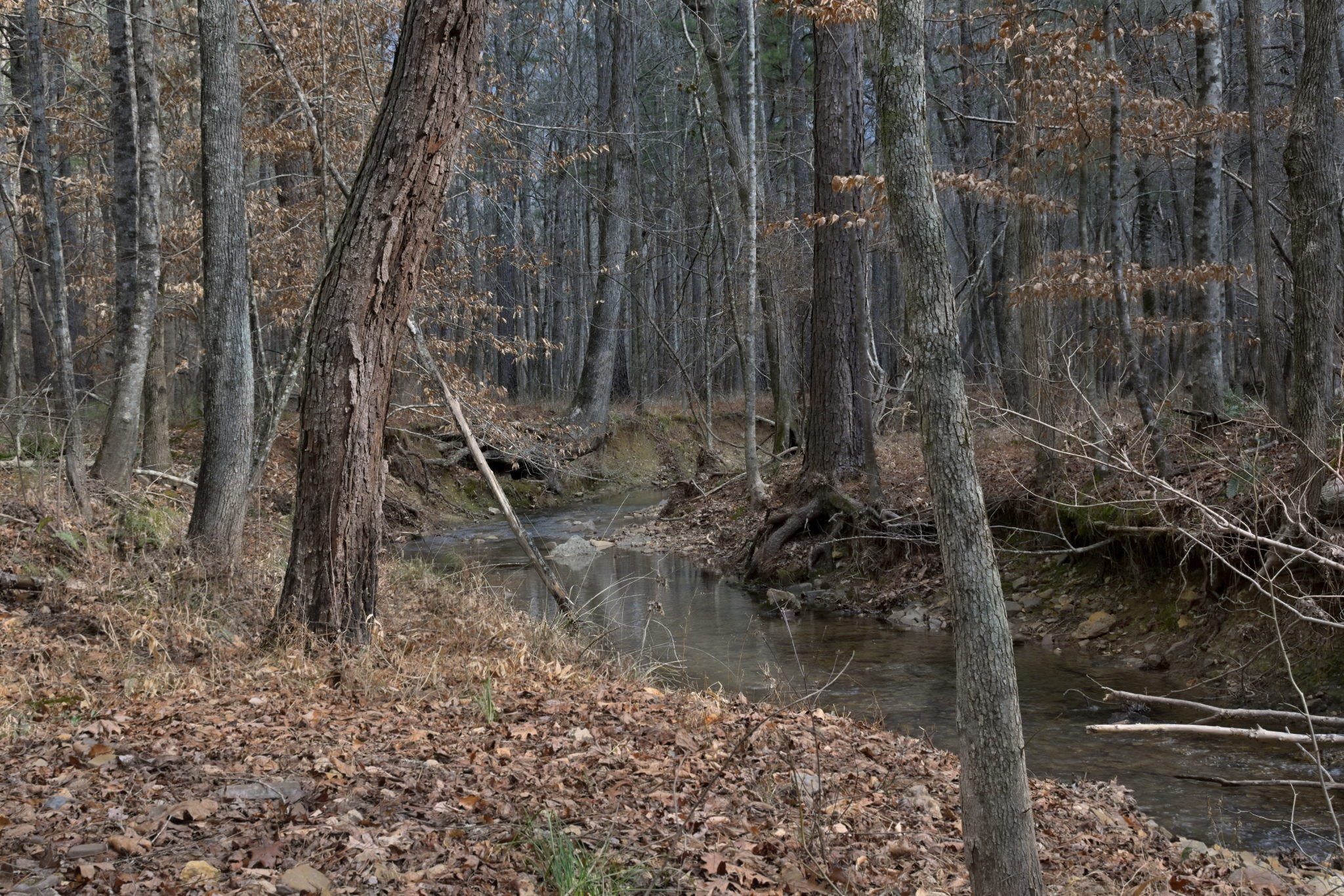
Most forest photographs are pleasant.
Some are beautiful.
Very few stay with me.
If you spend time with woodland photography, making it or living with it, you may have noticed something similar. An image can be technically sound, carefully edited, even admired online… and still slide out of memory almost immediately.
I don’t think this is a failure of skill or intention. It feels like something quieter than that.
Forests are already rich, layered, and complex. When a photograph doesn’t quite settle on what it’s saying about that complexity, it asks the viewer to carry the weight. The result usually isn’t confusion. It’s just… nothing to really hold on to.
The photographs that stay with me tend to behave differently. They don’t demand my attention. They don’t announce themselves. They feel settled, as if the photographer has already done the work of deciding what matters.
When I respond to images like that, I reach for words like calm, grounded, or honest. But underneath those words is something simpler: trust.
I trust that the photograph isn’t trying to impress me.
I trust that it will still feel right tomorrow.
I trust that I don’t need to be told what to feel.
This becomes obvious to me the moment photographs leave the screen.
Prints don’t seem to reward novelty the way screens do. They seem to reward coherence. A photograph that feels exciting online can feel restless on a wall. One that feels modest on a phone can quietly anchor a room for years.
Over time, I’ve found myself paying less attention to first-glance impact, and more attention to how an image holds its ground, whether the eye knows where to settle, whether the frame feels complete instead of persuasive.
I’ve started to learn to slow down and notice what my own images are actually doing, and whether they’ve finished saying what they came to say.
Forest photographs don’t need to shout to me.
They need to last.
Click here for the specific print details of the art shown in this writing.
